
Today: 8:45AM - 7:00PM
Blog / Tips

Blog

All Tips Clarksville, TN Kia Dealer New Inventory Murfreesboro TN Clarksville, TN Kia Service Clarksville, TN Used Cars Wyatt Johnson Kia Service Franklin,Tn Used Inventory Local FAQs Used Incentory
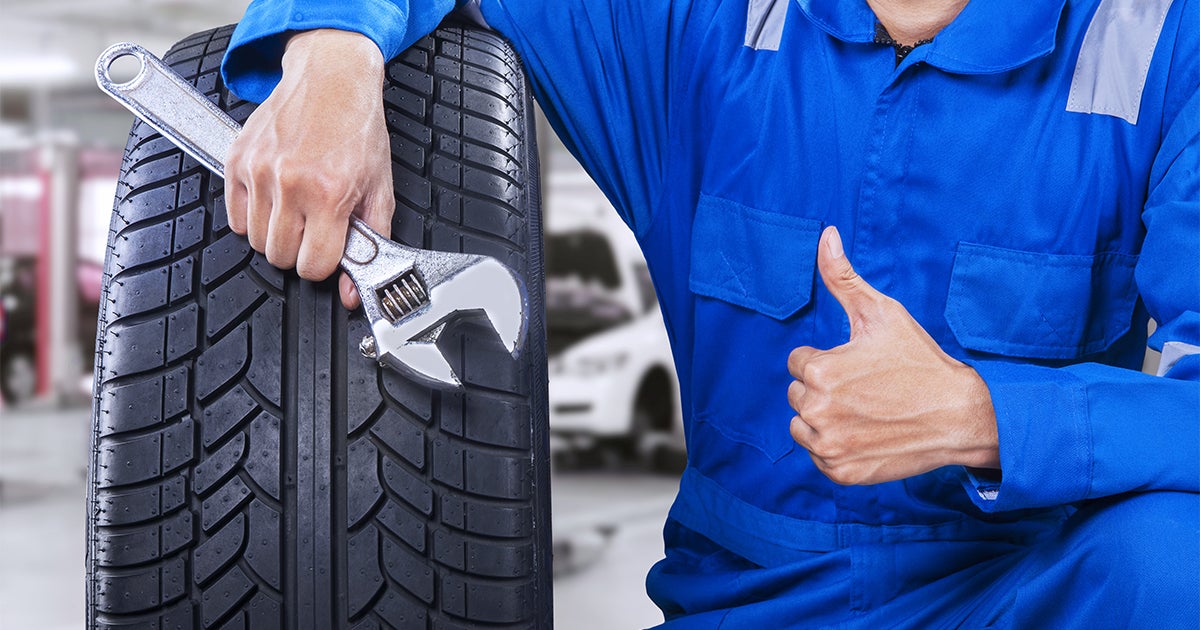
A service technician posing with his tools next to a tire

Fall Car Care Tips: Get Your Kia Ready for the Season

As the leaves change and temperatures begin to drop, it’s the perfect time to prepare your vehicle for the road ahead. Fall weather can bring unpredictable driving conditions, making it essential to stay on top of routine maintenance. If you're searching for “ Kia service near me,” don’t miss out on current Kia service specials at Wyatt Johnson Kia to help you save on essential services this season. more Why Fall Vehicle Maintenance Matters Fall is the transition period between summer heat and winter cold. It’s the ideal time to catch up on maintenance tasks that protect your vehicle and keep you safe on the road—especially before winter sets in. Essential Fall Car Care Tips Follow these tips to ensure your Kia is running smoothly all season long: 1. Check Your Battery Cold weather can weaken your battery, and fall is a great time to test it. Inspect for corrosion on terminals Ensure secure cable connections Replace if the battery is more than 3–5 years old Let your local Kia service center test its performance 2. Replace Wiper Blades & Refill Washer Fluid Fallen leaves, rain, and early frost can impact visibility. Replace wiper blades if they streak or squeak Top off with cold-weather windshield washer fluid Check the wiper motor for proper operation 3. Inspect Heating and Defrosting Systems A working heater and defroster are crucial for comfort and safety. Test both front and rear defrosters Check for weak airflow or unusual smells Book car repair near Nashville if issues arise 4. Examine Tires for Wear and Pressure Cooler temperatures can lower tire pressure, affecting traction and fuel efficiency. Inspect tread depth and look for uneven wear Check tire pressure weekly as temperatures drop Rotate tires if it’s been more than 6,000 miles Consider scheduling with a trusted Kia service center for a full tire check 5. Change Oil and Check Fluids Fall is a great time to catch up on fluid checks and oil changes. Check oil level and color Inspect brake, transmission, and coolant levels Schedule service at a certified Kia center near you Bonus Tip: Schedule a Professional Multi-Point Inspection Let trained technicians inspect your Kia’s key systems before cold weather hits. At Wyatt Johnson Kia, we’re proud to offer expert service, great deals, and a reputation for reliability. Our team is ready to provide everything from basic maintenance to car repair near Nashville. To get directions, hours, or connect with our team directly, visit our contact page. Stay Ahead of Fall with Trusted Kia Care Seasonal maintenance is key to prolonging your vehicle’s life and ensuring your safety. Whether you're due for an oil change, tire service, or heating system check, our certified technicians are here to help. Don't wait for winter to sneak up—take advantage of our Kia service specials and schedule your appointment today at Wyatt Johnson Kia—your go-to destination for Kia service near me this fall.
Road Trip Readiness: Essential Car Care Tips for Summer

Taking a summer road trip is a great way to make memories with family and friends. Hitting the open highway with the windows down and radio on — is there anything quite as sweet? If you’re planning to travel in your Kia this summer, we want to help you prepare your vehicle for your trip. It’s crucial to have a road-worthy ride so that breakdowns don’t interrupt your summer fun. Keep reading to learn about ways you can prepare your car for travel this season, then schedule an appointment at our Kia service center and our expert technicians will handle the rest! Top Five Summer Car Care Tips Schedule a Comprehensive Inspection Scheduling an inspection at our Kia service department is a great way to ensure your vehicle is running smoothly. If there are any issues you weren’t aware of, an inspection will bring them to light before they cause trouble down the road. At your appointment, one of our service techs will check the key components of your model, like the tires, brakes, fluid levels, suspension, hoses, and belts. It’s a quick way to have peace of mind before you hit the road; in fact, our Kia Express Service includes a multipoint inspection and more in 60 minutes or less! We’re here to get you in and out with no stress. Check the Tires Tire maintenance is an ongoing process, so even after your vehicle is inspected, it’s important to keep an eye on your tires throughout the summer. Tires are crucial to safe and efficient travel, so regularly check them for uneven wear, cracks, or bulges. Monitor the tread depth to ensure it isn’t getting low (and if you aren’t sure how to do this, one of our technicians will be happy to show you). Finally, make sure the tires are inflated to the proper PSI as shown in your owner’s manual or on the door jamb sticker. Extreme cold and heat can cause your tire pressure to fluxuate, so this is especially important in the summer. Don’t forget to check on the spare tire, too! If you suspect your tires need repair or it’s time for a brand-new set, visit our Kia Tire Center to get the right tires for your model and driving needs. Fluid Levels and Oil Change Is your vehicle due for an oil change soon? If so, it’s wise to get that done before your trip. Fresh oil is essential for proper engine function, and if your vehicle contains dirty, old oil, you could experience vehicle malfunctions on the road. New oil will protect your Kia’s engine from excessive wear as you travel. We recommend checking your model’s other vital fluids as well, such as coolant, brake fluid, windshield washer fluid, and power steering fluid. Our technicians can check and top up all of these fluids and complete your oil change at your appointment. Test the Battery Hot weather can put extra strain on your battery, and a dead battery on a scorching summer day is a recipe for disaster. Have your battery tested before your trip to make sure it’s healthy and charged up. This is especially important if you’ve noticed any abnormal behavior from your car, such as hesitation upon starting. If your battery is showing signs of age or seems to be losing charge quickly, it’s probably time to replace it altogether. Has the battery light (or any other light) appeared on your dashboard? Check out our guide to dashboard lights. Pack Emergency Essentials It’s a good idea to have an emergency kit in your car in case of unforeseen circumstances. In addition to your well-inflated spare tire, put together a kit with jumper cables, a flashlight with extra batteries, a small knife, bottles of water, first aid supplies, a blanket, emergency contact numbers, and basic tools. If you have roadside assistance, place your membership card in the kit as well. An emergency situation can happen when you least expect it, so give yourself peace of mind by having your kit ready to go. Kia Service Near Nashville Summer travel awaits! Take the time to prepare your car and you’ll be ready for a safe and memorable journey. Bring in your vehicle for service at Wyatt Johnson Kia near Nashville, and our team will make sure your car is in top shape. To help you save money, we offer Kia service specials and coupons that are updated monthly. Check out the deals we’re offering now, and then schedule service online. We’ll see you soon!

Fall car care tips at Wyatt Johnson Kia near Nashville.

The Quintessential Fall Car Care Month Checklist

Tips to Prepare Your Car For Fall The air is getting crisp, the leaves are changing, and the calendar is nearing the end of September, meaning fall is here in Clarksville! As the seasons change, our Kia service center near Nashville wants to ensure that your car is ready for the challenges that come with the new weather conditions. Here are some service tips to help you prepare your car for the autumn months and schedule your service appointment today if your car is in need of stellar service. 1. Check Your Tires As the temperature drops, so does tire pressure. Make sure to check your tire pressure regularly and keep them properly inflated. This will not only improve your car’s handling but also increase fuel efficiency and extend the life of your tires. Our Tire Center in Clarksville will help keep you on the road. 2. Inspect Your Battery Cold weather can be tough on your car’s battery. Before the temperatures drop, have your battery tested to make sure it’s in good condition. If it’s more than three years old, consider replacing it to avoid any unexpected breakdowns. Need help? We'll check and replace your battery if needed at our service center near Nashville. 3. Replace Worn Wiper Blades Fall brings rain and leaves, which can make driving conditions hazardous. Make sure your wiper blades are in good condition and replace them if they’re worn or streaking. Clear visibility is obviously crucial for safe driving, so checking your wiper blades is an easy task you can do. 4. Check Your Lights With shorter days and longer nights, it’s important to ensure that all your lights are working properly. Check your headlights, taillights, brake lights, and turn signals to make sure they’re all functioning correctly. 5. Test Your Heater and Defroster You’ll be relying on your car’s heater and defroster more as the temperatures drop. Before you need them, test them out to make sure they’re working effectively. If you notice any issues, have them repaired before the cold weather sets in. 6. Inspect Your Brakes Wet leaves and slippery roads can make stopping more challenging in the fall. Have your brakes inspected by a professional to ensure they’re in good working order. This will give you peace of mind when navigating wet or icy conditions. Schedule brake repair at Wyatt Johnson Kia if you're in the greater Nashville area. 7. Check Your Fluids Make sure all your fluids are at their proper levels, including engine oil, coolant, brake fluid, and windshield washer fluid. If any of these fluids are low or dirty, have them topped up or replaced as necessary. Can't remember the last time you had an oil change? Schedule your oil change in Clarksville today at Wyatt Johnson Kia. 8. Prepare an Emergency Kit It’s always a good idea to have an emergency kit in your car, especially during the fall and winter months. Include items such as a flashlight, extra batteries, blankets, a first aid kit, non-perishable snacks, and a portable phone charger. Stay On Top of Your Fall Car Care It may seem like a lot to keep track of, but if you follow this fall car care checklist, you’ll be more than prepared for when the colder months roll around. And if there’s anything you need to replace or you can’t check out yourself, you can always schedule service at Wyatt Johnson Kia with our service center in Clarksville. From personalized auto service financing, big savings with service specials, and the ability to always receive excellent work from our expert service technicians, it's no wonder why drivers in the greater Nashville area service at Wyatt Johnson Kia.

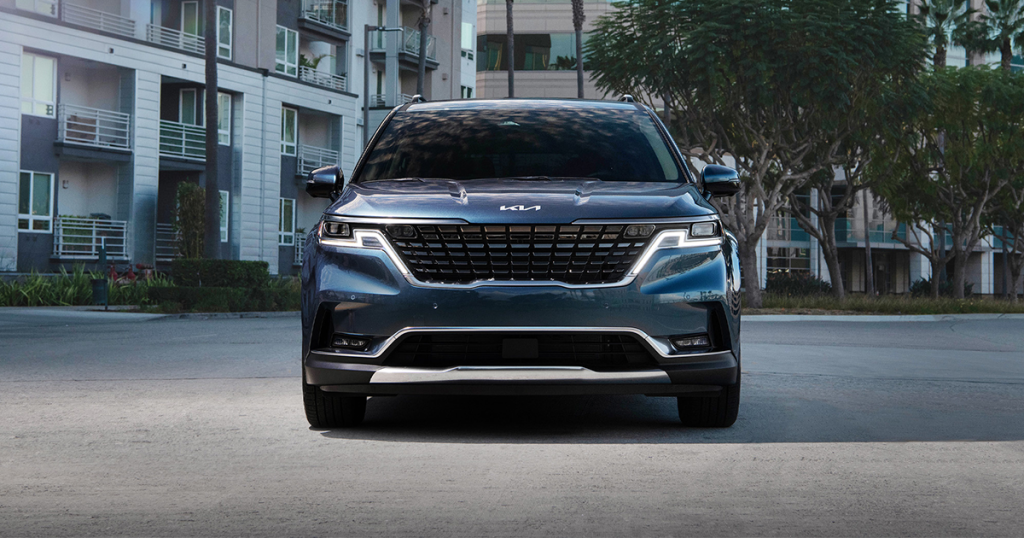
A Kia Sedona driving on the road.

Road Tripping This Summer? Do These Five Things First To Get Your Car Prepared!

This summer is the perfect time for a memorable road trip adventure with family and friends. Before you hit the open road, it's essential to ensure that your vehicle is in top shape for a smooth and worry-free journey. Learn about the five things to do to make sure your car is prepared for a memorable summer and then have our expert technicians at Wyatt Johnson Kia's Service Center take care of the rest! Schedule a Comprehensive Inspection: Start by scheduling a thorough inspection with your trusted dealership or mechanic. They will check key components such as the brakes, tires, suspension, fluid levels, belts, and hoses. Addressing any potential issues beforehand will help prevent breakdowns and ensure your car performs optimally throughout your trip. Did you know that our Kia Express Service includes all of your service essentials, including a multi-point inspection, in 60 minutes or less? Check the Tires: Proper tire maintenance is crucial for safe and efficient travel. Inspect the tire tread depth and look for signs of uneven wear, bulges, or cracks. Ensure that the tires are properly inflated according to the manufacturer's recommendations. Don't forget to include the spare tire in your inspection and ensure it's in good condition. Well-maintained tires will enhance fuel efficiency, handling, and overall road safety. Visit our Kia Tire Center to get your tires right! Fluid Levels and Oil Change: Check and top up all essential fluids, including engine oil, coolant, brake fluid, power steering fluid, and windshield washer fluid. If it's close to your next scheduled oil change, it's a good idea to get it done before your road trip. Fresh oil will keep your engine running smoothly and protect it from excessive wear during the long hours on the road. Learn more about about the difference between conventional and synthetic oil and which one would work best for your car! Test the Battery: The last thing you want is a dead battery in the middle of your adventure. Have your battery tested to ensure it's in good condition and has enough charge. Extreme temperatures can strain the battery, so it's especially important to check it before embarking on a summer road trip. If the battery is old or showing signs of weakness, consider replacing it to avoid any unexpected breakdowns. Seeing the battery light or any other light on your dashboard? Read our guide on what your dashboard lights mean! Ensure You Have The Emergency Essentials: Prepare a well-stocked emergency kit to have on hand in case of unforeseen circumstances. Include items such as a spare tire, jumper cables, flashlight with extra batteries, first aid supplies, basic tools, emergency contact numbers, and a roadside assistance membership card. Having these essentials readily available will give you peace of mind and help you handle unexpected situations efficiently. Conclusion By taking the time to get your car prepared before your summer road trip, you can ensure a safe and enjoyable journey for everyone involved. The best way to make sure you're ready to go? Schedule a service appointment at Wyatt Johnson Kia near Nashville and even save big with our service specials. So, buckle up, hit the road, and create lasting memories on your summer adventure!

Learn about the dashboard warning lights in your car and what they mean 
from Wyatt Johnson Kia.

Your Comprehensive Guide to Understanding Dashboard Warning Lights

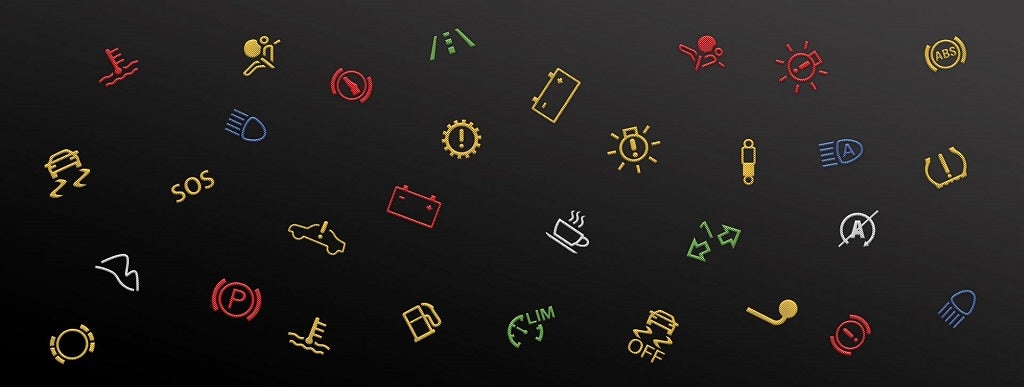
As a car owner, you've probably seen many of the different dashboard warning lights that can appear on your car's dashboard. These warning lights are essential because they alert you when there is an issue with your vehicle, such as a malfunction or low fluids. Knowing what each of these warning lights means can help you take the necessary actions to keep your car running smoothly. We'll go over what they mean and what steps to take next, whether it's something simple you can do or you need to stop by our Wyatt Johnson Kia Service Center for more assistance. Check Engine Light The check engine light is one of the most common warning lights that you will see on your dashboard. It indicates that there is an issue with the engine, and it can be caused by various factors such as a faulty sensor or a malfunctioning part. If this light comes on, you should have your car checked by a professional mechanic to determine the problem. Oil Pressure Light The oil pressure light indicates that the oil pressure in your car's engine is low. If this light comes on, you should immediately check your oil level and add more if necessary. If the light remains on, it could indicate a more severe issue that requires professional attention. Battery Light The battery light indicates that there is an issue with the car's charging system, such as a faulty alternator or a dead battery. If this light comes on, be sure to get to a service center you trust to better assess what is going on. Brake Warning Light The brake warning light indicates that there is an issue with the brakes, such as low brake fluid levels or worn brake pads. If this light comes on, you should have your brakes checked immediately, as this can affect your car's overall safety. Tire Pressure Light The tire pressure light indicates that one or more of your tires has low air pressure. You should check the tire pressure of all your tires and inflate them to the recommended level. If the light remains on, it could indicate a more severe issue with your car's tire pressure monitoring system, or you may have a soon-to-be flat tire. Conclusion Knowing what each of these warning lights means can help you take the necessary actions to keep your car running smoothly. If you see any of these warning lights on your dashboard, it's important to never ignore them. Instead, take the appropriate action to address the issue and keep your car in good condition. When you need service you can trust, schedule an appointment with Wyatt Johnson Kia here in Clarksville and let our expert technicians take care of the rest. Contact us today if you're in need of service near Nashville.

Wyatt Johnson Kia Winter Prep Checklist

5 Simple Ways To Get Your Car Ready for Winter

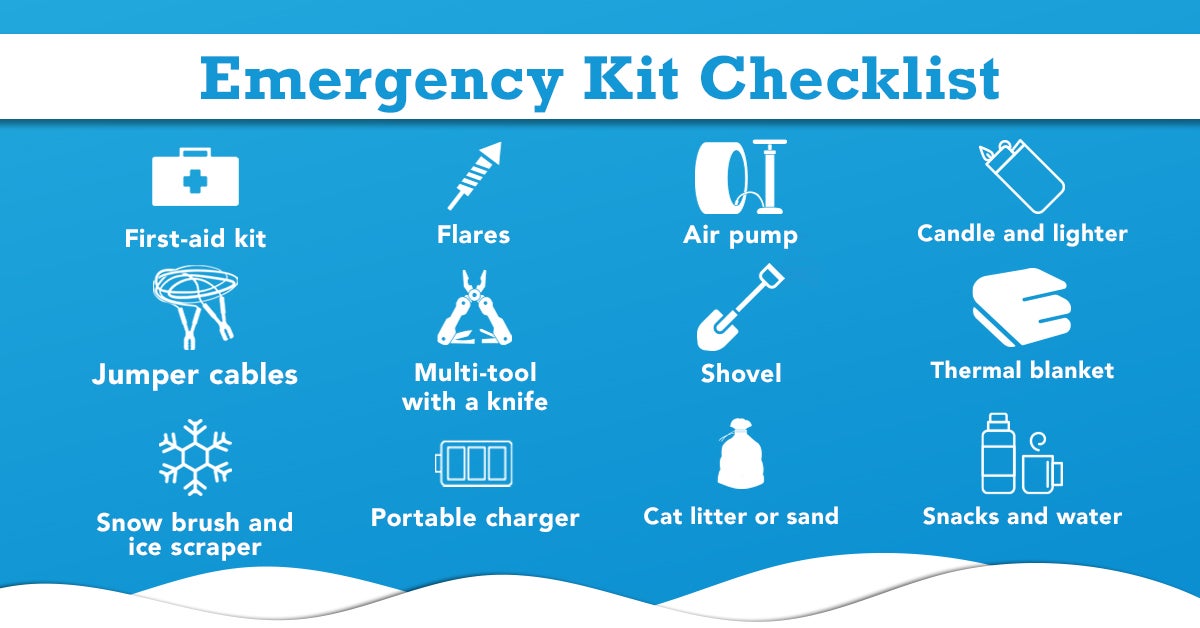
For the majority of the year, driving conditions are pretty tepid. But the true test of your integrity as a car owner, and the quality of your car comes during the winter months. This is when you can truly get punished for not taking care of your car unless you take care of the necessary winter car prep. Between harsh winter weather and the toll the cold, ice, snow, and salt can take, you really have to step up your winter car care game to get your vehicle winter ready. We don’t want to see you or your car on the side of the road this winter season. The best way to avoid any issues is to make sure your car is ready to take on whatever the next few months have in store. So before things get really rough, here are 5 simple winter car care tips that will help you and your car be ready for the colder months ahead. Juice Up Your Battery Having to wait for a jump in the middle of the cold and possibly snow is up there with the worst things to happen in winter. If you don’t check your battery before the cold weather sets in, you’re really taking a gamble. The extreme cold that we tend to see can make it difficult for your battery to operate. And the last thing you want is to come back to your car left in a cold parking lot and find it dead leaving you with no heat. The best advice you’ll get today is to get a volt test on your battery now. This will tell you what the health of your battery looks like and whether or not you should invest in a new battery. Maintain Your Tires When it comes to driving in winter, the quality of your tires is paramount. But it’s not just about what kind of tires you have but keeping an eye on your tire pressure as well. Investing in winter tires or all-season tires is a great idea and one we highly recommend. You want something that you can rely on for snow, rain, mud, and anything else you may encounter this year. However, something that gets overlooked often is tire pressure. As the air gets colder, tire pressure can drop up to one pound per square inch with every 10-degree drop. Keep an eye on your tire pressure and make sure you fill them if they are looking low. Check Your Fluids Every fluid in your car is going to help it perform the best it can during the colder months. For this reason, it’s very important that all of your fluid levels are good and fresh. Change your oil and filters if it’s coming near time, flush and refill your coolant/antifreeze, and fill your windshield wiper fluid. Doing all of these now will ensure that your car works the way it should even when temperatures drop. Wash Your Car This may seem like a weird thing to do, but it’s surprisingly important. However, this is something that you should do throughout the winter months. As more snow hits the roads, the county will salt those roads in an effort to keep them as clear as possible. But that salt will also end up on your car, especially all over your undercarriage. While the salt really helps the roads, it can wreak havoc on your car and cause rust. That is unless you give it a good wash after a big snow. Both an automatic and manual wash will work, as long as you can hit your undercarriage well. Pack an Emergency Kit Everything is all fun and games until your car dies in the middle of a snowstorm. Whether you slid on ice or something happened with your engine, or maybe even ran out of gas, having an emergency kit may just save your life. Depending on the weather and where you are, you definitely need to be prepared for anything. Here are some things you should have packed: First-aid kit Jumper cables Snow brush and ice scraper Flares Multi-tool with a knife Portable charger Air pump Shovel Cat litter or sand Candle and lighter Thermal blanket Snacks and water Stay Safe Out There Winter can be a crazy time, but making your vehicle winter ready ahead of time can go a long way. These are just a couple of things you can do, but there’s always more. Do your research and talk with our fantastic service technicians about what you should have done before the colder months are on top of us. Be smart and stay safe this holiday season!

nashville, TN

The Tips You Need To Street Park Safely in Nashville

From Clarksville to Nashville, finding parking can be quite a pain. Parking garages are overly expensive and usually full, leaving street parking as the best option. But even that has its own problems that you have to be aware of. As a Nashville resident, you know that parking downtown can be hard to come by, especially on weekends. With street parking as one of only a few options available to you, it's simply an unavoidable part of your life behind the wheel. So, if you have to park on the street, you may as well stay safe. Below are some basic things every Wyatt Johnson Kia driver can do to ensure the safety of their vehicle when parking on the street. Be Confident About Street Parking in Nashville Having to parallel park on a busy street can certainly be nerve-wracking. In fact,  parallel parking is something that many drivers struggle with, but it’s still an important skill to master. So, how comfortable are you with parallel parking? More importantly, can you parallel park? Because if the answer to either of these questions is no, you may want to just pony up the twenty-or-so bucks required to gain access to an oversaturated parking garage. However, if you have the mettle to take on the tall task of parallel parking on a busy city street, keep reading. Tips for Pro Parking Read the street signs: A common joke among big-city drivers, street signs are something that should be simple to interpret but, oftentimes, are not. With differing messages, time restraints, and symbols all coexisting on the same small rectangular sign, parking legally on the street can require some focus and mental fortitude. Take your time, read the signs and ensure that you won't be returning to a freshly booted vehicle. Park under street lights, not tree branches: If possible, it's always a good idea to park your car in a well-lit area. In general, the more visible your car is, the safer it will be. On the other hand, parking under trees should be avoided whenever possible. Trees shed debris with rain and wind and, on occasion, come down completely in severe weather. Not to mention bird poop is rather annoying, especially with a convertible. Fold in side mirrors: One of the easiest ways to protect your car when parking on the street is by simply folding in your driver-side side mirror. This prevents an irresponsible driver from passing too close to your parked car, clipping off your mirror, and continuing on with their day, leaving you with the bill for repairs. Take or hide your things and lock up: On average, over 80,000 unlocked cars are stolen yearly. That's right, unlocked cars. So, while this may seem like an obvious tip, it is an important one. Lock your car, take your keys with you and be sure that no valuables are visible to people passing by and peeking in. Make sure potential thieves are not interested in your car or anything inside it. Drop a Pin: People are forgetful. We forget our keys, our phones, our wallets. Heck, sometimes we forget whether or not our kids are in the backseat. We also, on occasion, forget where we park. Prevent this issue by dropping a pin on your maps app before you leave your ride behind. Then, when you're ready to return, simply pull up the pin and find your ride in no time. Investments Worth Remembering Car wash: Getting your car washed about every two weeks is a great way to make sure your car looks presentable. Beyond that, it shows would-be thieves that you pay attention to your vehicle. Oftentimes, car thieves target vehicles that look neglected. The idea here is that they will have more time after the theft to do with the car what they want before the owner even notices it's gone. So, protect your car's exterior appearance and show people you care about your ride with frequent washes. Snow cover: A snow cover or car blanket protects your car from all elements. Whether that's snow, hail, tree debris, or bird droppings, a cover is a great way to protect your ride and prevent passersby from seeing what's inside. Sunshade: Over time, constant exposure to the sunlight will cause fading and cracks on your dash and other areas of your interior. A sunshade is a great way to protect your car's interior and prevent potential thieves from seeing something worth stealing in your car. Catalytic converter shield: This may sound like an unnecessary precaution, but when you consider the fact that an experienced thief can steal a catalytic converter in about two minutes, that $350 shield is looking a lot better than a $2,000+ converter. Stay Safe and Have Fun With more and more people moving to major metropolitan areas each year, parking in areas like Dayton is getting harder and harder to find, while inventory for car thieves has never been higher. However, if you follow these steps, you can rest easy knowing that you've done all you can to protect your car while it's parked on the street.

How to make the most out of your test drive

How to make the most out of your test drive

How to make the most out of your test drive A car's test drive is a critical step in the purchasing process. Test-driving a vehicle allows you to see how a car will perform in real-world situations. With the help of an automobile test drive, you may learn more about the vehicle's capabilities and limitations, as well as whether or not the car is a good fit for you both inside and outside. Use these helpful tips to get the most out of your next automobile test drive and get home in the perfect vehicle. Choose the Features That Are Most Essential to You in a New Car: You should do your homework before visiting the dealership or making an appointment. Research the automobiles that interest you and are a good fit for your needs before going to the showroom. Consider your driving habits and driving durations (such as how many hours you drive, whether you'll drive occasionally or regularly, etc.). Simply put, if you know exactly what you want out of your vehicle, you won’t make a mistake! Prepare a list of questions to ask the sales representative by researching the features and engines of the vehicles you're considering. Once you've done that, contact the dealership in advance to make sure you may test drive the specific car you're considering purchasing. Being a Good Listener is Essential: You should allow the sales agent to walk you through the vehicle's features if you have no prior knowledge of them. Then, allow them to take it for a test drive if you like. This will help you become more familiar and comfortable with the vehicle before you take the wheel for the first time. Comfort Factor: Before you go behind the wheel, make sure the seat and steering wheel are comfortable for you. Also, check to see whether the mirrors are set correctly! These seemingly insignificant details can have a major impact on your overall driving experience, so make sure you're prepared before you take a test drive. Take a Test Drive in a Variety of Situations: When test driving a vehicle, don't limit yourself to local or interstate driving-as many environments and scenarios as possible should be tried. Include things like speed bumps, parking lots, and twisting roads in your route so you can get a sense of how the car handles various situations. Avoid Distractions: Do not allow over-delighted family members or emails to divert your concentration; instead, focus on what needs to be done. If you want to make a good purchase, you must be focused. You should also leave the children at home. Then, after your test drive is over, you'll be able to tell your loved ones about your purchase. Last But Not Least - Don't Rush! Take your time and enjoy the experience. When it comes to testing the waters and getting a feel for the cars, you'll want to give yourself plenty of time. Bring your license and a calm demeanor to the dealership. You'll be less stressed and more relaxed as a result of this.

Guide To the Warning Lights on Your Dashboard

Guide To the Warning Lights on Your Dashboard

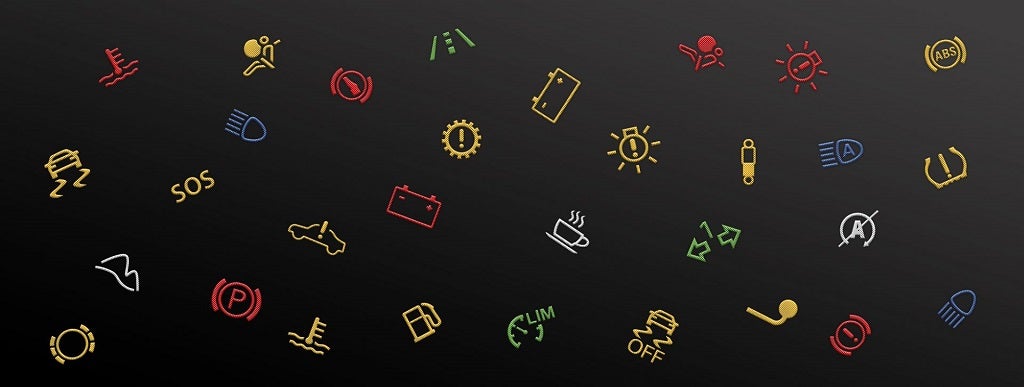
Guide To the Warning Lights on Your Dashboard Most of you have already happened that you drive carelessly and suddenly your car warns you with a horn and an icon appears on the screen. Yes, you as a driver must have these symbols on the dashboard. fully informed. In this blog, we have come to help you with all board symbols and their meanings. So, without further delay, let's get started. Symbols and their meanings Anti-lock brake warning light: If the anti-lock braking system or ABS respond, something is wrong with the vehicle system. The purpose of anti-lock brakes is to maintain control and balance of the vehicle on the road. So, it is important to diagnose the problem as soon as possible when the ABS lights come on. Automatic shift lock or engine start indicator: This symbol means that you are likely to shift gears or start the engine without applying the brakes. Therefore, the automatic shift interlock system locks your vehicle in place while parking until you find the brakes. Battery alert: This icon means there is a problem with the vehicle's charging system. You may be surprised to learn that the main reason for a low battery warning is often not the battery. Instead, something else could have triggered the alarm. Problem indicated by the battery warning. Engine warning: Your engine check light can appear for a number of reasons. First, it can be something serious that causes you to stop right away. The cause is overheating of the vehicle engine or low oil pressure. This light can also appear if the fuel cap is not properly attached or if it has a crack that allows the fuel to evaporate. Low fuel indicator: If you have been driving a long time you should know this symbol. This is an indication that you are running out of fuel. If you run out of fuel, don't ignore it. Instead, stop at a nearby gas station and refuel so you can reach your destination without worrying about running out of fuel or gasoline. Oil pressure light: When the oil pressure lamp lights up, it shows the image of an oil can with leaking oil. So, based on the picture or symbol, it can be said that this symbol is a clear indication that something is wrong with the vehicle's oil pressure. Traction control light: This light indicates that your vehicle's traction control system is activated. The traction indicator light uses the anti-lock braking system to determine if the wheels are spinning faster than normal. If your vehicle's traction control system is damaged, defective, or has a sensor malfunction, this light will come on. In addition, this light can also appear in the event of problems related to a vehicle's ABS.

Contact Us

Fill out this form below and we'll contact you shortly
*Required Fields