
Today: 8:45AM - 7:00PM

Blog

All Clarksville, TN Kia Dealer New Inventory Murfreesboro TN Clarksville, TN Kia Service Clarksville, TN Used Cars Tips Wyatt Johnson Kia Service Franklin,Tn Used Inventory Local FAQs Used Incentory
pexels-photo-3806249(copy)

Is it Necessary to Rotate my Tires?

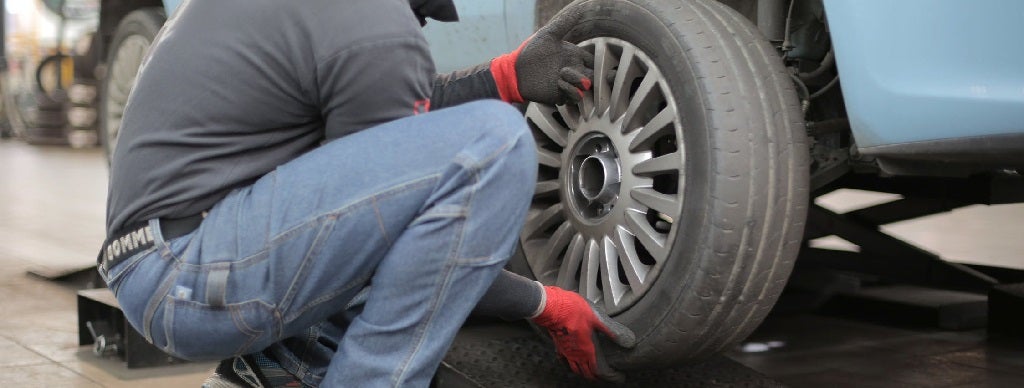
Is it Necessary to Rotate my Tires? Tire rotation is the most ignored of all routine maintenance activities. So, let us understand this term and why car manufacturers keep emphasizing on this term? Tire rotation is a way to control the tire rim wear that occurs due to constant driving of the vehicle. The grinding, scouring, and cutting that happens to your tire tread while carrying your vehicle across roads, and rough surfaces tend to damage the tires. During a tire rotation, every tire is made to change location with the other tires. This can happen following a particular pattern on your vehicle's axles, such as shifting the front tire to the back position in a cross pattern. This shuffle allows your tires to wear evenly and gives equal opportunity to the tire to get worked upon. Most car manufacturers advise that every 3000 to 8000 miles or six months, the tires must be rotated. Why Should Anyone Rotate the Tires? You control the tread wear to enhance the handling process, minimize noise and vibrations, prolong tire life, and protect tire warranty if you obey your vehicle's manufacturer-recommended tire rotation period. This stuff can not only save you the need for new tires earlier. They can also help you have a better driving experience. What if no one Rotates the Tires? Tire treads will wear out unevenly without frequent rotations, creating a rough, potentially volatile driving surface. In the end, such tire wear could hinder your road safety. If you want to think about the potential damage that can happen to the tires, these are few things that can occur: temperature rise, hydro planning, bad snow, and ice traction, and an increased chance of punctured tires or blowouts. Heat B uildup: When your car is driven, due to the friction between the tires and the road a great amount of heat is produced. Tires are built to withstand heat, but the temperature can quickly reach unknown levels without space for the cooling airflow, which the tread wear starts producing. Too much heat, like blowouts and tread separation, can cause tire failures. Poor T raction in S now and I ce: Snow tires are designed to enhance traction by grabbing on the packed snow with more profound, more expansive, sharper, and more irregular rims. Driving at insufficient depths or inadequate tires quality in winter conditions can increase the risk of spinning or sliding off the icy roads. Punctures and Blowouts: If you don't switch your tires, you might wear a spot on a tire that has excessive pressure. If the place becomes thinner, a hole can be picked up in the tire with a screw, glass, or even a sharp rock. This will undoubtedly increase the chances of meeting with a fatal accident due to a bad tire condition. Hydroplaning: The deep grooves in a healthy tire help to push water off the driving surface so that the tire can maintain grip with the road securely. If there is no sufficient tread depth, tires get prone to slip across the road which is filled with a layer of water. This can even lead to impairing steering control and can greatly hamper If you don’t want to meet with an accident on a rainy day, start practicing tire rotation.

pexels-photo-1702068(copy)

Drive safe for the Holidays

Drive safe for the Holidays Holidays are the most fun time of the year! You may already be buying gifts for your friends and family or making plans for a long road trip. While you are busy with shopping, we suggest you take a moment to think of ways you could make the drive safe. The weather would remain a matter of concern because it is going to snow. In such fluctuating weather conditions, there are various precautions one must take to enjoy the driving stress-free. A little hands-on planning before the season would ensure the safety of everyone in the car. 6 tips for a smooth drive: Put your car for servicing - Your vehicle is going to be used a lot while on the road. We suggest you get your car serviced if you have not already. Check if the tires are roadworthy, whether the taillights are working fine and if your engine needs fuel renewal for an uninterrupted drive to the destination. Do not drive in haste - Your safety is important more than anything. High driving speed makes one impaired and unable to judge the traffic around you. There will be more people out on the road than the usual days; watch out for someone trying to pass you. A driver might come in handy - Driving for long hours could be exhausting if you are not used to regular driving. It would be better to have a dedicated driver to drive you safely to your destination. Look for reviews before selecting a driver. You might want to select a reputed driver before deciding to put your family’s safety under a stranger’s mercy. Preparing for possible thefts - Always ensure you are parking your vehicle at a safe spot. You might have to leave your car alone when you stop for lunch or going to the restroom. In such cases, your car is prone to theft. We suggest you keep your expensive belongings in a bag or under the trunk. Also, avoid keeping your wallets on the dashboard. Keep your hands free - Mobile phones are essential these days. You may have to use the phone to track the ongoing route and to remain intact to the road heading towards your destination. Let someone be seated on your right side to track the route. Do not let the messages and calls distract you while you are driving. Drive when you are sober - Drinking is inevitable when you are celebrating a special day. However, we are certainly aware of the accidents that happen solely because of drunk driving. While you may not be able to avoid alcohol when welcoming the New Year, you could surely allow someone else to drive instead. It is not a bad idea to postpone your return for the next day. This year has been tragic, and with the holiday season around the corner, all of us are looking forward to some fun and celebration. As you prepare for the holiday season, consider following the above-mentioned guidelines so that you remain safe and sound. A little pre-planning and getting your vehicle checked for being roadworthy is sure to provide you a sense of security. You could remain certain that the holiday only brings joy and no hassle.

pexels-photo-849835(copy)

Winter is here, Prepare your Car

The winter season can create quite challenging circumstances for your vehicle. Chilled weather, dirt, and street salt buildup can all create problems. Nonetheless, some straightforward checks and maintenance tips will help you keep your vehicle in top condition. Getting good vision is Imperative: If you find a few streaks of water on your windshield left by the wipers, or if the wiper-edge rubber gives any indications of stiffness or cracking, change them immediately. A brush and a scrubber are useful for eliminating ice and snow from the windshield and does a better job than your wipers. Remember, a substantial heap of snow can over-burden the engine. If you have parked your vehicle outside, make sure you have raised the wipers off the glass before a short-term/overnight snow to shield them from getting frozen to the windshield. Finally, check every light of the vehicle to see if they are working appropriately and have no ice and snow left or dumped on them. Therefore, you'll have an ideal vision around evening time, and other drivers would be able to see you easily. Think about a Change to Winter Tires: If you drive mostly on wet/slippery roads, think about replacing all-season or summer tires with of specialized winter tires. These tires have tread patterns and rubber compounds designed specially to get an ideal footing on slippery streets. The life of winter tires is shorter and produces more street clamor than the all-season tires, yet the additional security they give is the justification to use them. For conditions such as extreme snowy weather, studded snow tires, or even tire chains might be justified. However, check if they're legalized in your area before deciding to bring them because these tires can severely affect the roads. A few states want snow chains on specific streets. Your vehicle Battery should be fit as a fiddle: If you have conventional batteries, take the plastic covers off from the top of the battery and check the fluid (see your owner’s manual). If the fluid level is low, some distilled water should be added. On batteries such as the maintenance-free ones, see whether the battery indicator shows fully charged (check in your owner’s manual). If that isn’t the case, take the battery to a service station, automobile parts store, or mechanics shop for checking. Maybe, charging them fully is what’s required. However, if it's faulty, it's ideal for changing it before it’s totally dead. Ensure You Utilize the Correct Engine Oil: When it's cold, the engine oil thickens; therefore, it becomes very tough to start the engine. A few car manufacturers will suggest specific grades of oil for specific ranges of temperature. Go through your owner’s manual and schedule the oil changes accordingly to ensure that your engine has the appropriate oil grade for the season. Check Your Cooling Framework: When the temperature is too cold, the rubber parts can become weak and fall flat. When your engine turns cold, check whether there are any cracks in your radiator or heater hoses, spilling, or defilement from grease or oil. The hoses ought to be firm yet malleable while you squeeze them. If they feel fragile or excessively delicate, replace them soon. Prevent Freeze-ups: If water gets into the trunk locks or in the door, it can freeze; therefore, your car door won’t open. To prevent this, grease up/lubricate the locks with some door lock oil or a silicone spray. If they're solidified already, utilize a lock antifreeze item to defrost them. Ensure you are using these tips to keep your vehicle off and running during this winter.

Contact Us

Fill out this form below and we'll contact you shortly
*Required Fields