

Is it Necessary to Rotate my Tires?
Tire rotation is the most ignored of all routine maintenance activities. So, let us understand this term and why car manufacturers keep emphasizing on this term?
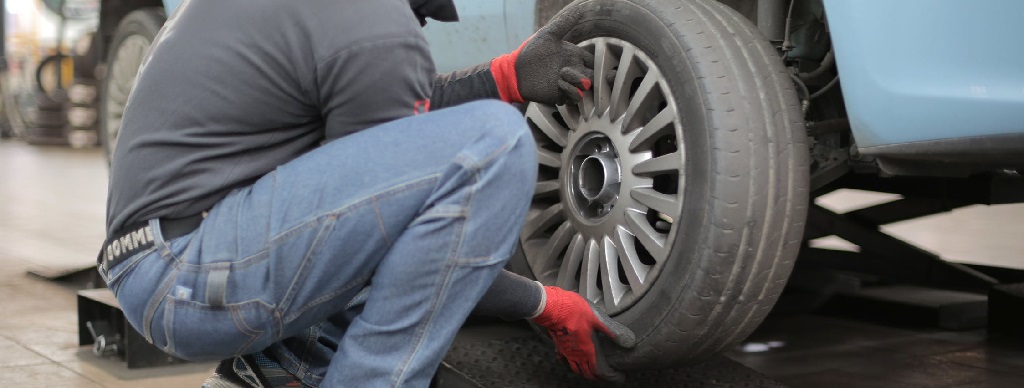
Tire rotation is a way to control the tire rim wear that occurs due to constant driving of the vehicle. The grinding, scouring, and cutting that happens to your tire tread while carrying your vehicle across roads, and rough surfaces tend to damage the tires. During a tire rotation, every tire is made to change location with the other tires. This can happen following a particular pattern on your vehicle’s axles, such as shifting the front tire to the back position in a cross pattern. This shuffle allows your tires to wear evenly and gives equal opportunity to the tire to get worked upon. Most car manufacturers advise that every 3000 to 8000 miles or six months, the tires must be rotated.
Why Should Anyone Rotate the Tires?
You control the tread wear to enhance the handling process, minimize noise and vibrations, prolong tire life, and protect tire warranty if you obey your vehicle’s manufacturer-recommended tire rotation period. This stuff can not only save you the need for new tires earlier. They can also help you have a better driving experience.
What if no one Rotates the Tires?
Tire treads will wear out unevenly without frequent rotations, creating a rough, potentially volatile driving surface. In the end, such tire wear could hinder your road safety. If you want to think about the potential damage that can happen to the tires, these are few things that can occur: temperature rise, hydro planning, bad snow, and ice traction, and an increased chance of punctured tires or blowouts.
- Heat Buildup: When your car is driven, due to the friction between the tires and the road a great amount of heat is produced. Tires are built to withstand heat, but the temperature can quickly reach unknown levels without space for the cooling airflow, which the tread wear starts producing. Too much heat, like blowouts and tread separation, can cause tire failures.
- Poor Traction in Snow and Ice: Snow tires are designed to enhance traction by grabbing on the packed snow with more profound, more expansive, sharper, and more irregular rims. Driving at insufficient depths or inadequate tires quality in winter conditions can increase the risk of spinning or sliding off the icy roads.
- Punctures and Blowouts: If you don’t switch your tires, you might wear a spot on a tire that has excessive pressure. If the place becomes thinner, a hole can be picked up in the tire with a screw, glass, or even a sharp rock. This will undoubtedly increase the chances of meeting with a fatal accident due to a bad tire condition.
- Hydroplaning: The deep grooves in a healthy tire help to push water off the driving surface so that the tire can maintain grip with the road securely. If there is no sufficient tread depth, tires get prone to slip across the road which is filled with a layer of water. This can even lead to impairing steering control and can greatly hamper If you don’t want to meet with an accident on a rainy day, start practicing tire rotation.
Connect with us


Recent Blog Entries
Categories
 Warranties include 10-year/100,000-mile powertrain and 5-year/60,000-mile basic. All warranties and roadside assistance are limited. See retailer for warranty details.